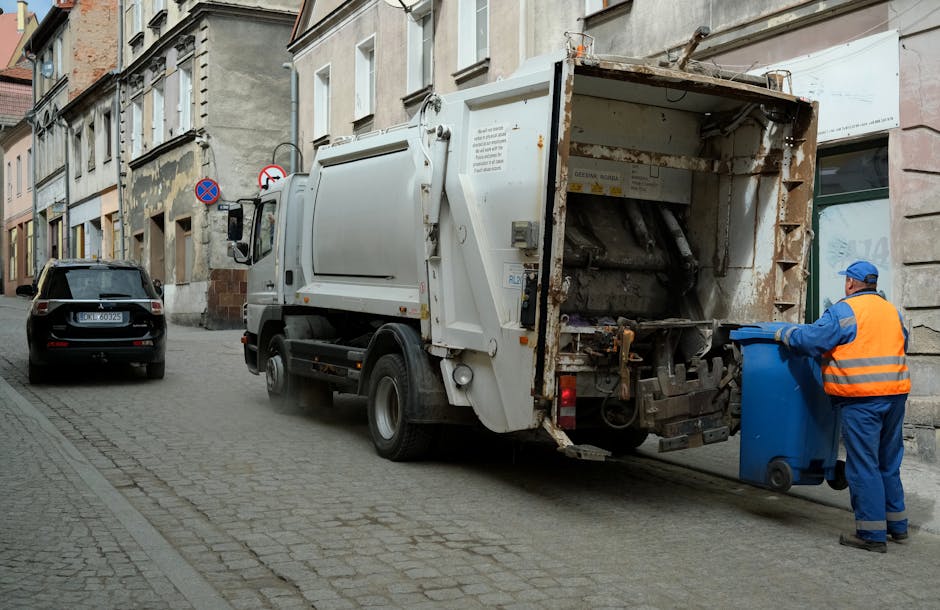
Access restricted advice for Haringey rubbish removal
If you are trying to arrange rubbish removal in Haringey and the access is awkward, tight, shared, or simply a bit of a headache, you are not alone. Access restricted advice for Haringey rubbish removal is about making the job workable without damaging walls, upsetting neighbours, or turning a simple clearance into a long afternoon of stress. That might mean a narrow stairwell in a Victorian terrace, a fourth-floor flat with no lift, a basement with low headroom, or a rear garden that you can only reach through the house. Sounds familiar? Then this guide is for you.
In our experience, the difference between a smooth clearance and a messy one usually comes down to planning. A few small checks early on can save a lot of lifting, time, and awkward conversations later. Below, you will find a practical guide to how restricted access clearances work, what to check before booking, what to avoid, and how to choose a sensible service path for your property. If you are comparing broader service options too, pages like waste removal and home clearance can help frame what level of support you actually need.
Expert summary: restricted access does not automatically make a rubbish removal job complicated, but it does change the approach. Measure, photograph, warn about stairs or distance, and be clear about what must be removed. That alone solves more problems than people expect.
Table of Contents
- Why access restricted advice matters
- How restricted-access rubbish removal works
- Key benefits and practical advantages
- Who this is for and when it makes sense
- Step-by-step guidance
- Expert tips for better results
- Common mistakes to avoid
- Tools, resources and recommendations
- Law, compliance and best practice
- Options and comparison table
- Case study or real-world example
- Practical checklist
- Conclusion
- Frequently asked questions
Why Access restricted advice for Haringey rubbish removal Matters
Restricted access changes everything about a rubbish clearance job, even when the pile itself is not huge. A standard collection is usually simple: load, lift, and go. But if the route is tight, shared, steep, or obstructed, the work becomes more about logistics and less about brute force. In a busy area like Haringey, that often means shared entrances, narrow front paths, basement steps, controlled parking, or flats where the lift is too small for bulky items.
Why does that matter? Because a clearance team needs to know whether they can safely move items out of the property, whether they will need extra staff, whether floor protection is sensible, and whether the van can be parked close enough to avoid long carries. If those details are missed, a job can run late, cost more than expected, or simply become awkward for everyone involved. Let's face it, nobody wants a sofa wedged halfway round a stair landing at 8:30 in the morning.
There is also a neighbourly side to this. In a dense street, timing and tidiness matter. Limited kerb space, shared hallways, and front-step bottlenecks can create friction if the clearance is not planned properly. Good access advice protects the property, protects the people doing the lifting, and keeps the whole visit calmer.
That is also why access details should be shared early. Even a rough description helps. "One flight of stairs, tight bend, no lift, parking about 30 metres away" is better than "it should be fine." Much better, actually.
How Access restricted advice for Haringey rubbish removal Works
The process is usually straightforward once the access conditions are clearly understood. A good clearance is part assessment, part preparation, and part common sense. The service provider looks at what needs removing, how it will leave the property, and what equipment or crew size is needed to do it without damage.
In practical terms, the job normally starts with a description of the access route. That includes stairs, lifts, hallways, garden paths, side gates, alleyways, locked communal doors, and any low ceilings or awkward corners. For larger domestic jobs, services such as house clearance or flat clearance may be a better fit than a basic one-off collection because they are designed for more varied room-to-route movement.
Then comes the load planning. Bulky items like wardrobes, beds, desks, mattresses, or white goods may need to be dismantled before removal. Sometimes it is quicker to break an item down in place, especially if the staircase has a sharp turn or the doorway is narrow. On the other hand, if the item is already compact and the route is clear, over-handling can slow everything down. A sensible team will judge that on the day.
You should also expect a check on surface protection. In some homes, this means simple care around walls and bannisters. In others, it might mean mats, blankets, gloves, or a route that avoids scraping a polished floor. If the job includes sheds, overgrown outdoor areas, or a rear route through the garden, then a related service such as garden clearance may be relevant too.
For builders' waste, awkward access can be even more noticeable because heavy rubble, timber, or broken fixtures are harder to carry. That is one reason builders waste clearance is often scoped carefully before work starts. Heavy loads and poor access are not a great mix. Not ideal at all.
Key Benefits and Practical Advantages
Good restricted-access planning is not just about avoiding problems. It also creates a cleaner, safer, less disruptive clearance overall.
- Less risk of damage: measured routes and the right lifting approach help protect walls, doors, flooring, and communal areas.
- Better time estimates: when the access is clear from the outset, the clearance can be scheduled more accurately.
- Safer handling: the team can plan for stair carries, long carries, or item dismantling instead of improvising mid-job.
- Less disruption to neighbours: fewer blocked doorways, less noise, and a tidier route in shared spaces.
- Fewer surprises on the day: this is a big one. Clear access notes reduce the chance of unexpected delays or extra labour.
There is a quieter benefit too: confidence. When you know the route has been thought through, the whole project feels manageable. That matters whether you are clearing one bulky item or a full property.
For landlords, agents, and business owners, access planning also supports continuity. In office or commercial settings, a rushed removal can interrupt operations, create safety concerns, or make corridors unusable. That is where broader support such as office clearance or business waste removal can be worth considering.
Who This Is For and When It Makes Sense
Restricted access advice is useful for anyone whose property does not offer the nice, easy straight-line lift you see in a brochure. In reality, that covers a lot of Haringey homes and workplaces.
You may need this type of advice if you are:
- living in a top-floor flat with no lift
- dealing with a basement property or lower-ground room
- trying to remove bulky furniture through a narrow hallway
- working in a house with tight stairs or a sharp stair turn
- clearing a loft with limited headroom and a steep ladder-style access point
- using a rear garden route through the home or side passage
- managing shared access in a block, conversion, or managed building
- booking a clearance where parking is limited or a van cannot stop right outside
Loft and furniture jobs come up often here. A packed loft can be especially awkward because it combines low clearance, dust, hot air in summer, and boxes that always seem heavier than they look. For that kind of job, loft clearance and furniture disposal are practical references for the type of items and access conditions often involved.
To be fair, some people only realise they have a restricted access issue after trying to move one item themselves. That sudden moment of "oh, this isn't going round the corner" is very common. If that is where you are, you are already doing the right thing by planning ahead now.
Step-by-Step Guidance
Here is the simplest way to handle access restricted rubbish removal without making it harder than it needs to be.
- Walk the route first. Start from the item and follow the path it needs to take out of the property. Look for tight turns, low ceilings, steps, locks, or anything that may slow the carry.
- Measure the awkward points. Door widths, stair landings, and lift entrances matter. Even a couple of centimetres can decide whether an item fits intact or needs dismantling.
- List the items clearly. Say what is being removed, not just how much there is. A "few bits of rubbish" and a "three-door wardrobe plus mattress and table" are very different jobs.
- Photograph the access. A couple of pictures of the route, stairwell, or parking situation can tell a better story than a long description.
- Be honest about parking. If the vehicle cannot stop close by, say so. Long carries are not a problem on their own, but they need planning.
- Separate what stays from what goes. This sounds obvious, but in a cramped flat, mixed piles get confusing very quickly.
- Remove personal items first. Drawers, documents, chargers, keys, and loose household bits should be taken out before the team arrives. Tiny detail, big difference.
- Confirm the collection plan. Check whether items will be moved as they are or dismantled first. Ask about floor protection if the route is delicate.
If your property has a room full of general household items rather than one specific problem object, a broader service like home clearance can be easier than trying to split the job into lots of separate removals. That is especially true when there are mixed items, odd angles, and not much spare time.
And yes, it is worth taking ten minutes to do the route properly. Those ten minutes can save an hour later. Maybe more.
Expert Tips for Better Results
Here are the little things that make a big difference in practice.
- Send the awkward photo, not just the pretty one. The tight stair bend is more useful than the front door shot.
- Check the item's weak points. Glass shelves, loose drawers, and softwood frames often need extra care.
- Think in routes, not rooms. A sofa may fit in the lounge but fail at the staircase. The route is what matters.
- Clear the landing and hallway before the team arrives. Shoes, plant pots, recycling bags, and spare boxes can all get in the way.
- Plan for the weather. In wet London weather, outdoor routes can become slippery. It sounds obvious, but people forget.
- Keep children and pets away from the working path. It avoids stress and makes the job safer.
If you are comparing services, do not just look at the headline type of clearance. Ask whether the provider seems comfortable talking through the practical side. Good operators are usually calm about awkward access. They have seen worse. Much worse, frankly.
Another useful habit: if the property has a lot of reusable furniture, ask whether separate removal or repurposing makes sense before disposal. For some items, furniture clearance is more appropriate than a general rubbish run, particularly where the objects are bulky but not necessarily broken beyond use.
Common Mistakes to Avoid
Most access-related problems are avoidable. Here are the usual culprits.
- Understating the access issue. "A bit tight" is not very useful if the stairs have a sharp turn and a low banister.
- Forgetting about parking distance. A clearance can still happen, but the timing and effort change a lot.
- Not mentioning lifts that are too small. Plenty of people assume the lift will help, then find it will not take the item at all.
- Leaving everything until the last minute. If access is restricted, late prep tends to create clutter in the very route you need clear.
- Trying to force oversized items through. That is how doors get scuffed and tempers get short. No need for it.
- Mixing waste types without warning. Heavy building debris, green waste, and household items each have different handling needs.
One small but important mistake is assuming that "someone will work it out on the day." Sometimes they can. Sometimes they can't. Truth be told, the day of a clearance is not the best moment for guesswork.
Another common issue is leaving fragile things inside furniture. A cupboard can look empty and still contain a stack of plates, cables, or old files. The same goes for loft boxes. Always check.
Tools, Resources and Recommendations
You do not need specialist kit to prepare for a restricted-access removal, but a few basic tools help a lot.
- Measuring tape: useful for checking doorways, lifts, stair landings, and item dimensions.
- Phone camera: a few clear photos of the route and the items are often enough for a sensible assessment.
- Marker labels or sticky notes: handy for separating "keep," "remove," and "unsure" items in busy rooms.
- Gloves and sturdy shoes: if you are moving small items yourself before collection, comfort and safety matter.
- Blankets or old sheets: useful for protecting floors or wrapping delicate surfaces in a pinch.
For readers who want to understand the wider service landscape, the site's pricing and quotes page is a sensible next stop, especially if you are trying to compare a tight-access job with a more standard clearance. In the same vein, the recycling and sustainability page is helpful if you care where items go after collection, which most people do once they have had time to think about it.
If you are dealing with a business premises, it can also help to read the site's information on business waste removal and office clearance. Restricted access in commercial buildings often means loading bays, shared lobbies, or time windows that cannot be missed. Different game, same need for planning.
Law, Compliance, Standards and Best Practice
When rubbish removal is involved, compliance is not just a nice extra. It is part of doing the job properly. The exact duties can vary depending on the waste type, property, and who is arranging the work, so it is always wise to stay within accepted UK waste-handling practice and to use a provider that treats duty of care seriously.
In plain English, that means waste should be handled, transported, and disposed of responsibly. Mixed items should be separated where needed. Hazardous items should not be treated casually. And if access is difficult, the method should still protect workers, residents, and the building itself. Access problems do not excuse unsafe lifting, sloppy handling, or blocked communal routes. They just make planning more important.
From a best-practice point of view, keep these principles in mind:
- share accurate access details before the booking is confirmed
- be clear about what is waste and what is staying
- avoid obstructing fire exits, hallways, or shared paths
- make sure the collection team can work without unnecessary risk
- ask about insurance and safety if the route is especially delicate
If you want reassurance on those last two points, the site's insurance and safety page and health and safety policy are the right places to look. They help set expectations before anyone lifts a thing. That kind of clarity matters more than people realise.
For smaller household clearances, the safest route is often to book the right type of service from the start rather than forcing a job into the wrong category. A cluttered attic, a packed flat, and a building site skip's worth of rubble all need different treatment. A decent provider will respect that.
Options, Methods, or Comparison Table
If you are trying to decide how to approach a restricted-access clearance, it helps to compare the usual options rather than just jumping straight to the most obvious one.
| Approach | Best for | Strengths | Watch-outs |
|---|---|---|---|
| Single-item removal | One bulky object, such as a sofa, bed, or wardrobe | Simple, fast, and often easiest to plan around awkward access | May still need dismantling if the route is very tight |
| Flat clearance | Flats, conversions, and upper-floor homes with narrow access | Suited to multi-item jobs and more complex lifting routes | Needs accurate details about stairs, lifts, and parking |
| House clearance | Whole-property clearances with mixed contents | Good when rooms, lofts, and furniture all need attention | More moving parts, so access notes matter even more |
| Specialist waste removal | Mixed rubbish, unusual loads, or less predictable waste types | Flexible for odd jobs and tricky situations | Requires clear description of items and route |
In practice, the right option is usually the one that matches both the waste and the route. If the access is straightforward but the contents are heavy and mixed, a broader clearance may be better. If the route is the hard part, choose a service that has enough scope to handle dismantling, carrying, and loading without turning it into a mini drama.
Case Study or Real-World Example
Picture a typical top-floor flat in Haringey. The resident has a wardrobe, a mattress, an old coffee table, and a few bags of mixed household waste. On paper, not a huge job. But the building has one narrow staircase, a tight turn at the landing, and no lift. There is also limited parking, so the team cannot pull right outside the entrance.
Now compare two versions of that job.
Version one: the resident says, "It's probably fine." The crew arrives and finds the wardrobe cannot make the turn upright. They need to stop, assess, dismantle, and carry items in smaller parts. The hallway becomes crowded, and the job runs longer than expected.
Version two: the resident sends photos of the stairwell, measures the doorway, and explains the parking situation. The team arrives ready to dismantle the wardrobe first, brings the right tools, and plans for the long carry. The job is calmer, quicker, and a lot less stressful.
That is the heart of restricted-access advice in one small example. It is not about making things sound more complicated than they are. It is about meeting the property where it is. A lot of people breathe easier once they realise that awkward access is normal and manageable. It really is.
For someone in a basement flat or narrow terrace, the same approach works. Measure the route, describe the obstacles, and choose the right type of service. The rest tends to fall into place.
Practical Checklist
Use this checklist before booking access restricted rubbish removal in Haringey.
- Have I checked the full route from item to vehicle?
- Do I know the stair width, doorway width, and any tight turns?
- Have I mentioned whether there is a lift, and whether it is usable for bulky items?
- Have I been honest about parking distance or loading restrictions?
- Are fragile items, cables, and personal belongings already removed?
- Do the items need dismantling before they can leave the property?
- Have I separated what is rubbish from what is staying?
- Do I need a flat, house, loft, furniture, or general waste service?
- Have I shared photos if the access looks awkward?
- Do I understand any safety or insurance questions that matter for the building?
If you can tick most of those off, you are in a strong position. If not, no panic. Sort the route first, then the rest becomes much easier.
Get a free quote today and see how much you can save.
Conclusion
Access restricted rubbish removal in Haringey does not need to feel like a battle with stairs, door frames, or shared hallways. With the right advice, the job becomes much more predictable. That is the real value here: fewer surprises, fewer delays, and a much better chance of everything being handled cleanly and safely.
If you remember only one thing, make it this: describe the access as carefully as you describe the rubbish. The route matters just as much as the load. And once you treat it that way, the whole process tends to feel more manageable, even if the property is a little awkward. Especially then.
For a calm, practical next step, review the service pages that best match your situation, prepare a few photos and measurements, and keep the details honest. Small effort now, less stress later. That is usually the win.
Frequently Asked Questions
What counts as restricted access for rubbish removal?
Restricted access usually means anything that makes the route to removal awkward or slow: narrow stairs, no lift, small doorways, long carries, shared entrances, poor parking, basement access, or a rear route through the property.
Do I need to mention access issues before I book?
Yes, absolutely. Early access details help the job get scoped correctly. It may affect crew size, timing, dismantling needs, and the type of clearance service that fits best.
Can bulky furniture still be removed through narrow stairs?
Often, yes, but not always intact. Many bulky items can be dismantled or carried in parts. The key is to check the route first and be realistic about bends, landings, and doorway sizes.
What if the van cannot park close to the building?
That is usually manageable, but it should be mentioned in advance. A longer carry can add time and effort, so the collection plan needs to account for it.
Is flat clearance better than general waste removal for awkward access?
Sometimes it is. If you are clearing multiple rooms in a flat, or if the access is tightly tied to stairs and shared hallways, a flat clearance can be more suitable than a simple waste collection.
Should I dismantle items before collection?
Only if it makes sense and you are comfortable doing so. Many providers can dismantle items on site if that is safer or quicker. If you do dismantle items yourself, keep fixings and small parts together.
How can I make a restricted-access job quicker?
Clear the route, take photos, measure tight points, remove personal items, and tell the provider about parking and stairs. The more accurate the information, the smoother the visit usually goes.
Are loft clearances especially difficult with restricted access?
They can be. Loft work often involves low headroom, awkward ladders, dust, and compact routes. It is manageable, but only if the access is described clearly from the start.
What should I do if I live in a shared building?
Keep communal areas clear, be considerate about timing, and make sure the route does not block fire exits or entrances. Shared buildings need extra care because one awkward move can affect everyone.
How do I know whether I need a specialist clearance service?
If the access is tight, the items are bulky, or the waste is mixed and heavy, a broader clearance service is usually safer than trying to force a standard pickup into a tricky situation.
Can I get help with furniture, garden, and loft items in one visit?
In many cases, yes. Mixed clearances are common. The important thing is to describe each area clearly so the right plan can be built around access and item type.
What is the best first step if I'm not sure how difficult the access is?
Walk the route from the item to the exit and take a few photos. If anything looks tight, note it. That simple check usually gives you enough information to make a sensible booking decision.