Insider tips for urgent rubbish removal in Haringey
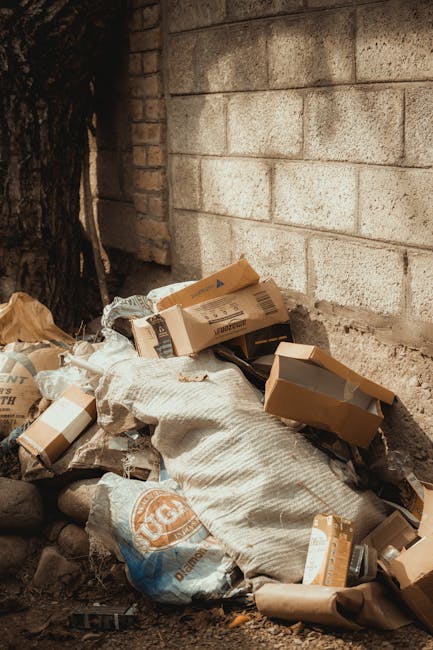
If you need urgent rubbish removal in Haringey, the clock suddenly matters more than the bin bag. Maybe the hallway is blocked by old furniture, builders' debris has piled up after a late job, or you're trying to hand back a flat without leaving a last-minute mess. Whatever the trigger, the aim is the same: get the waste gone quickly, legally, and without the whole thing turning into a small disaster.
Truth be told, the fastest jobs are rarely the ones where people "just wing it". The best results usually come from a few simple insider moves: knowing what to clear first, how to describe the job properly, and which services fit the mess you actually have. This guide walks you through the practical side of urgent clearance in Haringey, including what to prepare, what to avoid, and how to make a same-day or next-day removal feel a lot less frantic.
Need a broader view of available services? It can help to understand how waste removal sits alongside more specific jobs such as house clearance, flat clearance, or office clearance. The right choice depends on the volume, access, and type of waste. Simple enough in theory. In practice, a bit more nuanced.
Why Insider tips for urgent rubbish removal in Haringey Matters
Urgent rubbish removal matters because waste has a habit of getting in the way at exactly the wrong time. A blocked entrance can slow movers. A pile of broken furniture can make a property look neglected. Construction waste can create safety issues. And in a busy London borough, a skip sitting outside for longer than planned is not always the cleanest or easiest option.
In Haringey, urgency often comes from everyday realities rather than drama. Tenancy deadlines. End-of-build handovers. A sudden bereavement. A garage full of stuff that somehow became invisible for three years and then, overnight, became a problem. If you've ever stood in a room at 7:30 in the morning and thought, "Right, this has to be sorted today," you'll know the feeling.
The best insider tip? Don't start with the rubbish itself. Start with the access, timing, and type of waste. That tiny shift in thinking can save a surprising amount of time, and sometimes money too.
How Insider tips for urgent rubbish removal in Haringey Works
Urgent clearance usually follows a fairly simple pattern. You contact a provider, explain what needs removing, share a few photos if possible, and agree a time window. A good team will then assess the load, the access, and whether the job needs two people, three people, or a van load plus a bit of muscle. No mystery there, really.
The main difference between a smooth job and a messy one is accuracy. If you say "a few bags" but it's actually six bulky sofas, a mattress, a broken wardrobe, and half a shed's worth of timber, the plan changes fast. Being precise helps the crew arrive prepared with the right vehicle, tools, and labour.
For urgent jobs, a company may prioritise:
- quick response and booking availability
- clear access details, such as stairs, narrow hallways, or parking restrictions
- the kind of waste involved, for example mixed household waste, furniture, or builders' rubble
- safe handling requirements if items are heavy, sharp, dusty, or awkward
If the job involves debris from a renovation, it may fit better with builders waste clearance. If it is a commercial premises, business waste removal may be the more suitable route. That distinction matters more than people think.
Key Benefits and Practical Advantages
The most obvious benefit is speed. But the real value of urgent rubbish removal is what speed unlocks. You get the room back. You reduce stress. You remove trip hazards. You stop the problem spreading into the rest of the property. And, to be fair, you probably sleep a bit better once the mess is gone.
Here are the practical advantages people usually notice first:
- Less disruption: you can keep a move, refurbishment, or delivery on schedule.
- Safer spaces: fewer sharp edges, blocked walkways, and unstable piles.
- Cleaner presentation: useful for landlords, agents, tenants, and business premises.
- Better use of time: you avoid loading, lifting, and repeated tip runs.
- More suitable disposal: mixed items can be sorted rather than dumped carelessly.
There is also a quiet benefit that gets overlooked: decision relief. When a room is full of random stuff, every extra hour it stays there makes the job feel bigger. Clearing it fast reduces that mental drag. You'll notice it.
Who This Is For and When It Makes Sense
Urgent rubbish removal is not just for dramatic last-minute clear-outs. It makes sense for anyone dealing with a time-sensitive pile-up that cannot wait for a casual weekend tidy. The most common situations include:
- tenants leaving a property and needing a fast turnaround
- landlords preparing a flat for new occupants
- homeowners dealing with sudden clutter before work starts
- builders or tradespeople finishing a job and needing debris moved quickly
- offices clearing old desks, chairs, boxes, or archiving waste
- people clearing inherited items or a garage after a difficult family event
Some jobs are also more location-sensitive. A top-floor flat with no lift and a tight stairwell is a different proposition from a drive-up house in a quiet road. A cramped entrance, restricted parking, or shared access can turn a simple clearance into a logistical puzzle. Not impossible. Just worth planning properly.
If you are dealing with bulky household items, it can help to look at the related service pages for furniture clearance or furniture disposal. They can be more appropriate than a general waste job when the load is mostly sofas, tables, wardrobes, or beds.
Step-by-Step Guidance
When time is tight, the job goes more smoothly if you break it into a few quick decisions. Here is a sensible way to handle it.
- Identify exactly what must go. Separate urgent items from things that can wait. A mixed pile is fine, but know what is in it.
- Take a few clear photos. Wider shots and close-ups both help. Good photos can speed up quoting and reduce back-and-forth.
- Check access before the crew arrives. Think stairs, parking, lifts, entry codes, and whether anyone needs to be let in.
- Move small personal items aside. Documents, chargers, keys, medication, and anything sentimental should be removed first. Easy to forget in the rush.
- Group items by room if possible. It saves time and helps the crew work methodically.
- Ask how loading is handled. Some jobs need dismantling, double-handling, or careful navigation through shared areas.
- Confirm pricing details. Make sure you understand whether the quote is based on load size, labour, item type, or access complexity.
- Book the earliest suitable slot. For genuine urgency, a tight window matters more than a nice vague promise to "sometime today".
A small but useful habit: keep a running note on your phone of what is staying and what is going. Sounds basic, but in the middle of a hectic day it stops a lot of confusion. Been there, seen that.
Expert Tips for Better Results
Here are the insider habits that make a genuine difference when you need urgent clearance.
1. Be brutally clear about volume
"A few bags" and "half a van" are not the same thing. If the job is bulky, overstate rather than understate. It is much easier to arrive with a bit of spare capacity than to discover the pile is bigger than expected.
2. Mention awkward items early
Mattresses, wardrobes, glass, mirrors, old appliances, and heavy rubble all change the handling plan. A good team will want to know before they arrive, not after they are standing at the bottom of the stairs scratching their head.
3. Solve parking before the van does
In Haringey, street parking and access can be the quiet time-killer. If there is a permit issue, loading bay, or narrow road, flag it early. A five-minute parking discussion can save half an hour of faffing around later.
4. Keep the route clear
Hallways, front steps, and doorways should be as clear as you can make them. It sounds obvious, yet people often forget the small table, the umbrella stand, or the box of random cables right in the path.
5. If it can be reused, say so
Some items may be suitable for reuse or separate handling. If there is a nearly new chair, usable cabinet, or working appliance, mention it. That can influence how the load is sorted and handled.
There is also a broader sustainability point here. Choosing a provider with an evident commitment to recycling and sustainability is a sensible move if you want the job done quickly but not carelessly. Urgent doesn't have to mean wasteful.
Common Mistakes to Avoid
Most clearance headaches come from a handful of repeat mistakes. The good news is they are easy to avoid once you know them.
- Waiting too long to book: the later you call, the fewer options you usually have.
- Underestimating the amount of waste: this leads to rushed pricing and surprise delays.
- Mixing useful items with rubbish: once everything is thrown together, sorting becomes slower.
- Ignoring access issues: tight stairs, locked gates, or no parking can derail a simple job.
- Assuming every service is the same: house clearance, office clearance, garden clearance, and builders waste are not interchangeable.
- Leaving hazardous items unmentioned: anything unusual should be flagged early for safety reasons.
The biggest one? Trying to handle a truly urgent clear-out with a vague plan and no photos. That's how a straightforward job turns into an afternoon of phone calls. Nobody wants that.
Tools, Resources and Recommendations
You do not need fancy equipment to prepare well, but a few simple tools make a same-day clearance easier:
- Phone camera: for quick photos of the load and access points
- Marker tape or sticky notes: useful for separating keep, donate, and remove piles
- Gloves: for moving light items safely before the crew arrives
- Bin bags and boxes: handy for loose waste, cables, and smaller bits
- Measuring tape: helpful if there are large items or narrow access routes
On the service side, it is worth knowing which page best matches the job. A loft full of old boxes and furniture may be better described as loft clearance. A cluttered shed or side return might point towards garage clearance. A neglected patch outside with branches, soil, and cuttings is closer to garden clearance.
If you are not sure, that's normal. The important thing is to describe the waste honestly so the right approach can be chosen. It saves everyone time.
Law, Compliance and Best Practice
With urgent rubbish removal, speed should never come before lawful disposal. In the UK, waste needs to be handled responsibly, and you should be cautious about anyone who seems vague about where the waste goes. A professional operator should be able to talk sensibly about collection, transport, sorting, and disposal practices without making a song and dance of it.
Best practice usually includes:
- separating recyclable material where practical
- handling items safely to reduce damage and injury risk
- avoiding fly-tipping or unclear disposal routes
- being transparent about what is accepted and what needs special handling
- keeping clear pricing and service terms
If the work is on a commercial site, you may also want to pay attention to basic health and safety controls. Good site awareness matters, especially when there are stairs, sharp edges, glass, dust, or repeated lifting. For more background on service standards and safeguards, the site's health and safety policy and insurance and safety pages are worth a look.
If you are comparing providers, sensible questions include: Are they clear about what happens to the waste? Do they explain pricing plainly? Do they have a straightforward complaints process if something goes wrong? Those are fair questions. They should not be awkward ones.
Options, Methods, or Comparison Table
Choosing the right method depends on urgency, waste type, and how much effort you want to spend yourself. Here's a plain-English comparison.
| Method | Best for | Pros | Trade-offs |
|---|---|---|---|
| DIY tip run | Very small amounts of waste | Cheap if you already have transport | Time-consuming, physically tiring, not ideal for bulky items |
| Skip hire | Longer projects and steady waste output | Good for ongoing work | Needs space, planning, and usually a permit if placed on-road |
| Man-and-van style clearance | Urgent mixed waste and bulky items | Fast, flexible, less lifting for you | Price depends on volume, access, and item type |
| Specialist service | Furniture, builders waste, offices, or awkward loads | More tailored handling and sorting | Needs accurate description to quote correctly |
For many urgent Haringey jobs, the man-and-van style approach is the sweet spot because it combines speed with flexibility. But if the waste is highly specific, such as office equipment or post-refurb debris, a targeted service can be the better fit.
Case Study or Real-World Example
A common real-world scenario goes like this. A tenant gets notice that inventory is happening the next morning. There is a broken shelving unit, two bags of mixed rubbish, an old chair, and a pile of cardboard in the corner. Not a huge job, but enough to cause stress if left until the last minute.
The useful move was not just "book someone fast". It was to take three photos, separate personal items first, and flag that the chair had to come down a narrow internal stairwell. That tiny detail changed the planning. The crew arrived with the right equipment, loaded the waste without blocking the corridor, and the room was clear before lunch.
That is usually how it works in practice: the job feels urgent, but the most important thing is still clarity. A little preparation turns panic into a manageable task. Nothing glamorous. Just effective.
Practical Checklist
Use this checklist before the collection team arrives.
- Take clear photos of all waste and access points
- Separate keep, donate, and remove items
- Remove valuables, documents, keys, and medication
- Check parking, entry, and stair access
- Measure any large or awkward items if needed
- Identify hazardous or fragile waste in advance
- Confirm whether the job is house, flat, office, garden, or builders waste
- Make sure pathways and doorways are clear
- Ask how pricing is calculated
- Confirm the collection time and contact details
Quick takeaway: the best urgent clearances are the ones where the waste is described clearly, the access is ready, and the provider knows exactly what they are walking into. It sounds almost too simple, but that is the point.
Conclusion
Urgent rubbish removal in Haringey does not have to feel chaotic. If you prepare a little, describe the job properly, and choose the right type of clearance for the waste in front of you, the whole process gets much easier. The trick is to focus on the details that save time: access, volume, item type, and timing.
Whether you are clearing a flat, a house, a garage, a loft, or a workplace, the same principle holds. Clear communication beats guesswork. And in a rush, that matters even more. A well-organised removal feels calm, even if the day started off anything but.
If you want to compare options, review service details, or check how the team handles pricing and safety, it is sensible to explore the relevant pages before you book. That little bit of homework can save a lot of back-and-forth later.
Get a free quote today and see how much you can save.
Frequently Asked Questions
How quickly can urgent rubbish removal in Haringey usually happen?
It depends on availability, the size of the load, and how easy the access is. Smaller jobs with clear photos and simple access are usually quicker to arrange than bulky clearances with stairs, parking issues, or mixed waste.
What should I do before the clearance team arrives?
Remove valuables, gather the items that must go, and make the route to the waste as clear as possible. A few photos and a short description help a lot too. It saves time and reduces surprises.
Is urgent rubbish removal suitable for flats with no lift?
Yes, but the access details matter. Stairs, narrow landings, and shared entrances should be mentioned early so the team can plan properly. A top-floor flat is still manageable; it just needs better preparation.
Can I get rid of furniture on an urgent basis?
Yes. Large household items are a common reason people need fast help. If the load is mostly sofas, beds, wardrobes, or tables, furniture-specific services such as furniture clearance or furniture disposal may be the best fit.
What if my waste includes builders rubble or renovation debris?
That usually falls under builders waste clearance rather than a general rubbish job. The type of material matters because rubble, timber, plasterboard, and mixed construction waste can all need different handling.
How do I know whether I need house clearance, flat clearance, or waste removal?
Think about the setting and the contents. A whole-property job often suits house clearance, a smaller home or apartment may suit flat clearance, and a mixed one-off load may simply be waste removal. If unsure, describe the job plainly.
Will urgent rubbish removal cost more?
Sometimes urgency affects the price, especially if the booking needs to be squeezed into a tight window. The main pricing factors are usually volume, labour, access, and item type, so clear information helps keep estimates sensible.
What items should I mention separately when booking?
Mention anything bulky, heavy, sharp, fragile, or awkward to carry. Mattresses, glass, appliances, rubble, and dismantled furniture are the kinds of things that can change the plan quite a bit.
Is same-day rubbish removal always possible?
Not always. It depends on the schedule and the kind of job. Same-day work is more likely when the load is straightforward, the access is easy, and you can provide a clear description quickly.
What happens to the waste after collection?
A responsible service should sort the waste and handle it in line with accepted disposal and recycling practices. If sustainability matters to you, ask how items are separated and processed before you book.
How can I avoid delays on the day?
Prepare the space, secure parking if needed, keep access clear, and make sure the team knows about any awkward stairs or entry points. Honestly, that one bit of planning can make the difference between a smooth job and a slightly frazzled one.
Where can I learn more about the company before booking?
It is sensible to review the about us page, plus the pages covering pricing and quotes, payment and security, and the company's service standards. That gives you a clearer picture before you commit.