Permits and fines for builders rubbish removal Haringey
If you are planning builders rubbish removal in Haringey, the last thing you want is a surprise fine, a skipped collection, or a pile of rubble sitting outside longer than it should. The rules can feel a bit fiddly at first, especially when you are juggling trades, deliveries, neighbours, and a job that already seems to spill over into every corner of the day. This guide explains permits and fines for builders rubbish removal Haringey in plain English, so you can stay compliant, avoid unnecessary costs, and get the waste shifted properly the first time.
We will look at what the permit issue usually involves, what can trigger penalties, who actually needs to think about it, and how to plan a tidy, lawful clearance without drama. If you want a broader service overview alongside the compliance side, it may also help to look at builders waste clearance, waste removal, and the company's recycling and sustainability information.
Table of contents
- Why permits and fines matter
- How permits and fines work in practice
- Key benefits and practical advantages
- Who this is for and when it makes sense
- Step-by-step guidance
- Expert tips for better results
- Common mistakes to avoid
- Tools, resources and recommendations
- Law, compliance and best practice
- Options and comparison table
- Case study or real-world example
- Practical checklist
- Conclusion
- Frequently asked questions
Why Permits and fines for builders rubbish removal Haringey Matters
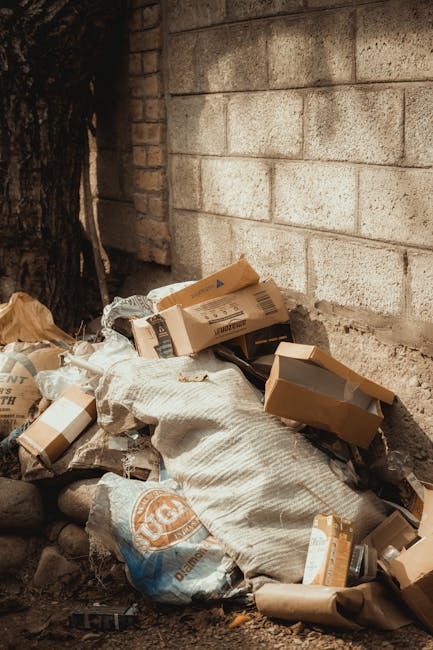
Builders waste has a habit of appearing everywhere. One minute it is stacked neatly in bags; the next it is edging over a front path, blocking a pavement, or sitting in a skip that was meant to be there "just for a day". That is where permits and fines become relevant. In Haringey, as in the rest of London, waste placed on public land or left in a way that causes obstruction can create problems very quickly.
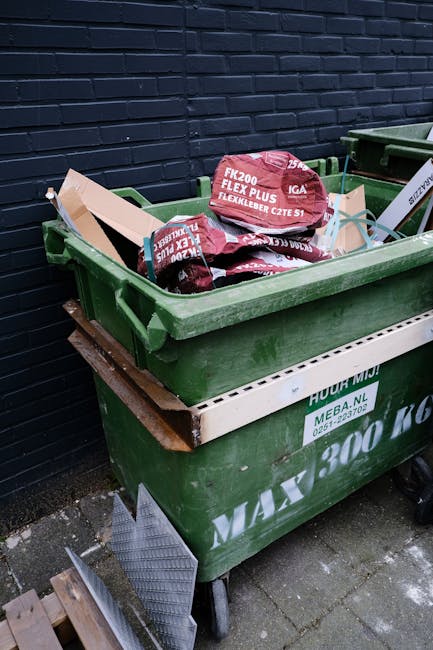
The permit side matters because the location of the waste changes the rules. A skip or container on private land is usually a different matter from one on a public road or pavement. If you need permission to place it on the highway, that permission has to be in place before the container arrives. Simple enough in theory. In practice, people often leave it too late, and that is where avoidable costs creep in.
The fine side matters for a different reason: enforcement can follow poor planning, fly-tipping, unsafe obstruction, or waste that is not managed by the right party. Builders rubbish is bulky, dusty, awkward, and easy to underestimate. A few plasterboard offcuts or broken tiles do not look dramatic until they become a trip hazard or a council issue. Truth be told, that is usually when people realise the job needed a proper plan from the start.
There is also a reputational angle. If you are a builder, landlord, contractor, or managing a refurbishment, sloppy waste handling can make a site look chaotic. Neighbours notice. Clients notice. And in a dense London borough like Haringey, they really do notice when a pavement is narrowed or a driveway is repeatedly blocked.
Practical takeaway: if your builders waste might touch public space, shared access, or the wrong collection method, think about permits first and penalties second. That order saves money and headaches.
How Permits and fines for builders rubbish removal Haringey Works
The basic idea is straightforward: builders waste must be stored, moved, and disposed of in a way that avoids obstruction, nuisance, and unlawful dumping. If a skip, grab vehicle, or temporary container needs to sit on a public highway, a permit may be required. If waste is dumped, left unsecured, or collected by someone who is not operating properly, fines or enforcement action can follow.
What confuses people is that there are often several layers to consider at once. There may be permission for the container, insurance for the collection, access constraints on the street, and local rules about keeping pavements clear. A permit is not just a piece of paper; it is a sign that the placement, timing, and use of the waste container have been checked against local conditions.
In a typical Haringey project, the process usually looks like this:
- Identify the type of builders rubbish you have: rubble, timber, metal, plasterboard, packaging, mixed construction waste, or a combination.
- Decide where the waste will be stored before removal: on private property, in a skip, in bags, or in a vehicle load.
- Check whether anything will sit on the road, footway, verge, or shared access route.
- Arrange the necessary permit if public land is involved.
- Use a compliant collection and disposal route, with paperwork kept where needed.
That is the clean version. The messy version is when a job runs over, a skip is delivered early, or the waste pile grows faster than expected. Let's face it, building work is rarely perfectly tidy. The smarter approach is to plan for a little friction from the start.
For mixed domestic and trade-style jobs, many people find it useful to compare clearance types before booking. Services such as house clearance, home clearance, and office clearance are not the same as builders waste removal, but they can help you understand how different collections are organised and what level of preparation is expected.
Key Benefits and Practical Advantages
Handling permits and fines properly is not just about avoiding problems. Done well, it makes the whole project smoother. You get fewer delays, less neighbour friction, and much better control over the site.
- Fewer delays: a permit arranged in advance reduces the risk of a skipped collection or a container being moved at short notice.
- Lower exposure to fines: if waste is placed or collected lawfully, you avoid the more obvious enforcement triggers.
- Better site safety: a managed waste area means fewer trip hazards and less loose debris in circulation.
- Cleaner client impression: tidy waste handling makes refurbishment work look more professional. Small detail, big effect.
- Improved scheduling: when removal is planned properly, the rest of the job flows better too.
There is also a hidden benefit that people often miss: fewer awkward conversations. Nobody likes explaining to a client why a skip has caused an issue, or why waste had to be moved because no permit was arranged. Those are the moments that quietly eat time.
If you are comparing disposal routes, it is worth noting that builders waste is not the same as loose household junk. Specialised clearance providers can separate materials more efficiently, and that can help with recycling outcomes. You can read more about the broader approach on recycling and sustainability.
Who This Is For and When It Makes Sense
This topic is relevant to quite a wide mix of people. If you only think of full-scale building sites, you will miss a lot of everyday situations where permit and fine issues still matter.
- Homeowners renovating a kitchen or bathroom with rubble, old units, plasterboard, and packaging building up fast.
- Landlords and agents dealing with refurbishments between tenancies.
- Builders and tradespeople who need a dependable removal plan that does not slow the job down.
- Property managers arranging works in flats, estates, or mixed-use buildings where access is tight.
- Small businesses improving premises and generating construction-type waste alongside general rubbish.
It makes sense to get ahead of the permit question whenever there is any chance of using a public road, loading bay, shared forecourt, or restricted access point. Even a short collection window can become an issue if the street is narrow or already busy. You know the kind of London street where two vans meet and everybody suddenly becomes very polite. That sort of place.
It also makes sense if you are not entirely sure who is responsible. In some jobs, the contractor books the removal. In others, the property owner does. In many real-life cases, everyone assumes someone else has it covered, and that is where mistakes happen.
Step-by-Step Guidance
Here is a practical way to manage builders rubbish removal in Haringey without making it harder than it needs to be.
- List the waste types. Separate rubble, wood, metal, soil, plasterboard, packaging, and anything hazardous-looking. You do not need perfection, just enough clarity to choose the right removal method.
- Check the location. Ask whether the waste will stay entirely on private property. If not, assume a permit or authorisation question may arise.
- Book early. Permits and collections are easier to coordinate before the waste is already piling up at the front door.
- Confirm access details. Measure gates, stairs, alleyways, parking space, and road width if needed. A surprisingly large number of issues begin with "it should fit".
- Use a compliant removal route. Choose a provider that can handle builders waste safely and can explain what happens to the waste afterwards.
- Keep records. Save collection details, job notes, and any paperwork associated with the removal.
- Inspect the area after collection. Make sure nails, dust, broken fragments, and stray bags are cleared too. It is rarely the glamorous part, but it matters.
A good planning habit is to schedule waste removal one step before you think you will need it. Not wildly early, just a little. That small buffer can save you from paying extra for emergency handling or for a rushed decision under pressure.
If you need a broader services overview while planning the job, waste removal and pricing and quotes are sensible starting points. They help you think about the full cost picture rather than only the immediate collection.
Expert Tips for Better Results
Over time, a few habits consistently make builders rubbish removal easier and cheaper. They are not flashy, but they work.
- Plan for the messiest day, not the tidiest one. The last day of a build is often when waste suddenly peaks.
- Keep plasterboard separate if possible. It is commonly treated differently from general mixed waste, so mixing it in can complicate things.
- Use sturdy bags or containers. Weak bags split, rubble escapes, and someone has to clean it up. Usually the wrong person at the wrong time.
- Avoid overfilling. It looks efficient until collection becomes unsafe or needs repacking.
- Book a removal slot that matches the project pace. If work is happening at speed, the waste plan should not lag two days behind.
One small but useful detail: keep a quick phone photo of the waste pile before removal. It sounds minor, but it can help if you need to explain exactly what was collected or how much space it took up. That is especially handy on busier jobs where everybody remembers events slightly differently.
For some customers, it is worth comparing builders clearance with broader services like business waste removal if the work site is commercial or mixed-use. Different premises can create different expectations, and the right label matters more than people think.
Common Mistakes to Avoid
The biggest mistakes are usually not dramatic. They are the ordinary, slightly annoying ones that snowball.
- Assuming a skip can go anywhere. Private driveways and public highways are not the same thing.
- Leaving waste bags on the pavement "just for tonight". That is how complaints start.
- Mixing materials without checking acceptance rules. Some loads become harder to recycle or process when everything is thrown together.
- Not planning access for collection. A blocked driveway or parked car can derail the whole removal.
- Forgetting about neighbours. Noise, dust, and blocked walkways can create friction even if the waste itself is lawful.
- Choosing on price alone. Cheap can become expensive if the job has to be re-done, rebooked, or re-cleared.
The one that catches people out most often? Timing. A permit or collection arranged too late can leave builders waste on site longer than expected, and that is where avoidable fines or complaints become more likely. It sounds obvious. It still happens all the time.
Tools, Resources and Recommendations
You do not need a van full of special kit to manage builders rubbish sensibly, but a few tools make the process far smoother.
- Measuring tape: useful for checking access, gate widths, and container space.
- Heavy-duty rubble sacks: better for sharp or dusty materials than ordinary bags.
- Basic site notes: a simple checklist of waste types, dates, and access instructions keeps everyone aligned.
- Protective gloves and boots: sensible on any site where broken tile, timber, nails, or plasterboard are involved.
- Clear labelling: even a handwritten note on stacked waste can stop confusion later.
On the service side, a good recommendation is to use a provider that treats clearance as part logistics, part safety, and part customer care. The best jobs are usually the boring ones, honestly. No stress, no drama, just waste removed cleanly and everyone moving on.
If you want to understand how a company presents its working standards, it may also be helpful to review health and safety policy, insurance and safety, and about us to get a sense of approach and accountability.
Law, Compliance, Standards, or Best Practice
Builders rubbish removal sits within a wider compliance picture that usually includes local permit requirements, safe storage of waste, proper transfer and disposal arrangements, and preventing obstruction or nuisance. Exact arrangements can vary depending on the site, the type of waste, and where it is being placed. That is why careful checking matters.
In UK practice, the important principles are usually these:
- waste should not be dumped or abandoned;
- containers placed on public land generally need the right permission;
- access routes should remain safe and usable where possible;
- hazardous or awkward materials need special attention;
- the person arranging the removal should know who is responsible for what.
That last point is a big one. Responsibility can be shared, but it should never be vague. If the builder thinks the client has arranged the permit, and the client thinks the builder has done it, the result is usually a silly little mess that is entirely avoidable. Not ideal.
Best practice is to keep the waste plan written down, even if it is just a simple email thread or job note. Include the collection date, the location, the waste type, access instructions, and any special handling points. It is dull admin, yes, but dull admin is often what protects you from expensive mistakes.
Options, Methods, or Comparison Table
There is no single right method for every job. The best option depends on space, access, waste type, timing, and how much control you want over the process.
| Method | Best for | Permit or access issues | Main upside | Main drawback |
|---|---|---|---|---|
| Skip on private property | Homes, driveways, and sites with space | Usually fewer public-space concerns | Convenient and straightforward | Needs room and careful loading |
| Skip on public highway | Tight properties with no driveway | Often requires a permit | Useful where access is limited | More admin and tighter placement rules |
| Man-and-van style removal | Smaller or mixed loads | Less likely to need a roadside permit | Flexible and quick | May need multiple trips for larger jobs |
| Specialist builders clearance | Refurbishments, rubble, mixed construction waste | Handled as part of the service plan | Good for compliance and speed | Needs the right provider and scheduling |
For many Haringey jobs, specialist builders clearance is the least stressful route because it combines removal, loading, and disposal planning in one go. If you are unsure where your job fits, compare it with other services like flat clearance or garage clearance to see how different waste scenarios are handled. Not because they are identical, but because they show the range of approaches available.
Case Study or Real-World Example
Imagine a small kitchen renovation in a terraced Haringey property. The old units come out on a Tuesday, the tiles follow on Wednesday, and by Thursday morning the front path has half a dozen rubble sacks, a broken sink, wood offcuts, and a few awkward plasterboard pieces. Nothing unusual. Just a normal project getting busier than expected.
The homeowner had planned to keep the waste on the drive, but the drive turned out to be needed for materials delivery. A skip on the road would have needed extra planning. Instead of letting waste build up outside, the team arranged a specialist builders rubbish removal collection, checked access, and moved the load before it became a nuisance. The job finished cleaner, and the pavement stayed clear.
The useful lesson here is simple: small jobs can create permit questions just as easily as larger ones. You do not have to be running a full construction site for the rules to matter. A modest refurbishment can still create enough waste to cause problems if nobody thinks a step ahead.
Another real-world pattern is the "we'll deal with it later" approach. Later turns into the weekend. The weekend turns into a complaint. And somehow the pile of broken tiles has become a character in everyone's life. Better not to let it get that far.
Practical Checklist
Use this checklist before any builders rubbish removal in Haringey:
- Have I identified all waste types clearly?
- Will any part of the waste sit on public land, a pavement, or a shared access route?
- Is a permit or permission likely to be needed?
- Do I know who is responsible for arranging it?
- Have I checked access, parking, and collection timing?
- Are heavy, sharp, or awkward materials packed safely?
- Have I separated anything that needs special handling?
- Do I have the collection date and any job notes saved?
- Is the chosen service suitable for builders waste rather than general rubbish only?
- Will the area be left clean and safe after removal?
If you can tick most of those without hesitation, you are usually in a strong position. If not, slow down for ten minutes and fix the weak spots. That tiny pause can save a lot of money later.
Get a free quote today and see how much you can save.
Conclusion
Permits and fines for builders rubbish removal Haringey come down to one simple idea: the more carefully you plan the waste, the less likely it is to become a legal, financial, or neighbourly headache. Check where the waste will sit, think about whether public space is involved, and arrange the right removal method before the site gets crowded.
Done properly, builders waste clearance is not complicated. It is just one of those tasks that rewards calm organisation and punishes guesswork. A little foresight goes a long way. And if you are balancing a noisy build, awkward access, and a tight schedule, that bit of foresight can feel like a lifesaver.
When the dust settles and the last bag is gone, that clean, empty patch of floor or pavement is a small relief - but a real one.
Frequently Asked Questions
Do I need a permit for builders rubbish removal in Haringey?
You may need a permit if a skip, container, or other waste storage will be placed on public land such as a road, pavement, or verge. If everything stays entirely on private property, the situation is often simpler, but it is still worth checking access and local restrictions before booking.
What kind of fines can happen with builders waste?
Fines or enforcement can arise from obstructing public space, dumping waste, using unsuitable disposal methods, or allowing waste to be left in a way that causes issues. The exact outcome depends on the circumstances, but the safest approach is always to manage the waste lawfully from the start.
Who is responsible for arranging the permit?
That depends on the job agreement. In some projects the contractor arranges it, while in others the property owner or site manager does. The key thing is to make responsibility explicit. If nobody owns the task, it is easy for it to be missed.
Can I leave builders rubbish on the pavement overnight?
Generally, you should avoid leaving waste on the pavement unless you know it is permitted and managed properly. Overnight waste can create obstruction, safety issues, and complaints. It is one of those ideas that sounds temporary but often turns into a problem by morning.
Is builders waste different from household rubbish?
Yes. Builders waste often includes rubble, timber, plasterboard, metal, tiles, and mixed construction debris. It can require different handling, loading, and disposal arrangements from ordinary domestic waste. That is why a specialist collection is usually the better fit.
How do I avoid unnecessary fines during a renovation?
Plan early, keep waste off public land where possible, choose the right collection method, and confirm access before the job starts. It also helps to keep the waste area tidy and separate materials where practical. A bit of organisation saves a lot of trouble.
What if my project creates more waste than expected?
That happens all the time. The sensible move is to reassess the waste plan quickly rather than letting the pile grow uncontrolled. If needed, arrange an additional collection or adjust the method before the site becomes cluttered or unsafe.
Are all builders waste collections the same?
No, they vary depending on access, waste type, quantity, and whether public space is involved. A small domestic refurbishment and a larger trade project may need very different approaches. Matching the method to the job is where the real value is.
What should I do if the waste includes plasterboard?
Plasterboard often needs careful handling and may need to be kept separate from general mixed builders waste. If you are unsure, ask before loading it in with everything else. That one material can change how a load is processed.
Is it worth using a specialist clearance service instead of doing it myself?
Often, yes, especially if the job is time-sensitive, awkward to access, or involves mixed builders waste. A specialist can reduce the chance of permit mistakes, unsafe loading, and repeated trips. Doing it yourself can work for small jobs, but it is not always the cheapest option once time is included.
How can I tell if a skip or collection plan is compliant?
Check where the waste will be placed, whether any public land is affected, and whether the provider explains their process clearly. Good providers will be comfortable talking through access, timing, insurance, and disposal. If answers are vague, that is usually a warning sign.
What is the best first step if I am unsure?
Start by identifying the waste type and the exact location where it will sit before removal. Then decide whether the collection touches public space. That one decision usually clarifies whether a permit question is involved and what kind of service makes sense.